Traction or Cushion: Which One Actually Matters More for Dance Cardio Shoes?
Quick Answer: For dance cardio specifically, traction and controlled multidirectional grip matter more than maximum cushion, because most dance cardio injuries come from slipping or over-gripping during quick direction changes, not from impact absorption issues.
Running shoe marketing has trained a lot of people to prioritize cushion above everything else, but dance cardio has a different movement pattern that shifts the priority.
Why does traction matter more for dance cardio than running?
Dance cardio involves frequent lateral movement, pivots, and quick direction changes, unlike running’s mostly forward, repetitive motion. A shoe with too much grip can cause the foot to plant and “stick” during a pivot, twisting the knee or ankle, while too little traction causes slipping — dance cardio shoes need a specific middle-ground traction pattern designed for controlled multidirectional movement, which most running shoes aren’t built for.
Isn’t cushion still important for a high-impact class?
Cushion still matters for comfort over a class-length session, but excess cushion, especially in the heel, can actually reduce your stability during quick pivots by creating a less stable base to push off from. A moderate, balanced cushion — not the maximalist stack height trend in running shoes — tends to work better for the demands of dance cardio specifically.
What shoe sole pattern should you actually look for?
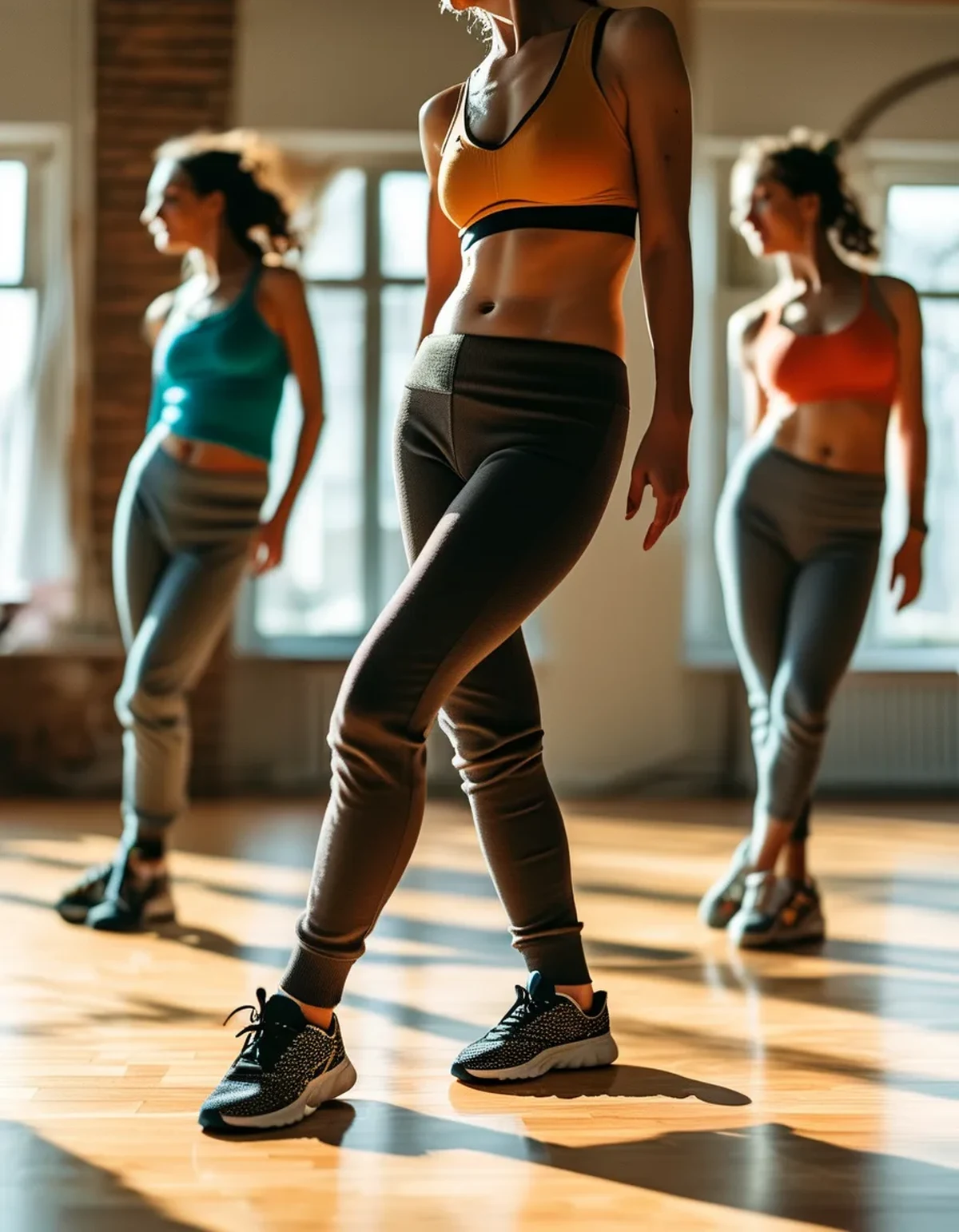
A pivot point built into the forefoot — often a smooth or circular tread pattern under the ball of the foot — is the specific feature designed for dance and cardio-style classes, allowing controlled rotation without catching. Shoes marketed for cross-training, studio cycling, or dance fitness specifically are more likely to include this than general running shoes.
Myth vs Fact: Dance Cardio Footwear
Myth: The shoe with the most cushion is always the safest choice. Fact: Excess cushion can reduce pivot stability, which matters more for dance cardio’s movement pattern than impact absorption alone.
Myth: Running shoes work fine for any cardio class. Fact: Running shoes are built for forward motion and often lack the pivot-friendly sole pattern dance cardio needs.
Myth: More traction is always better for safety. Fact: Too much grip can cause the foot to catch during a pivot, which creates its own injury risk.
FAQ: Dance Cardio Shoe Questions, Answered
How do I know if my current shoes have too much grip for pivoting?
If you notice your foot catching or resisting during turns and pivots in class, that’s a sign the sole pattern is too aggressive for multidirectional movement.
Are cross-training shoes a good substitute for dedicated dance cardio shoes?
Often yes — cross-training shoes are generally built with more balanced traction and moderate cushion than pure running shoes, making them a reasonable alternative.
How often should dance cardio shoes be replaced?
A general guideline is every 300-500 hours of use for classes with significant lateral movement, since tread pattern wear affects pivot safety more than cushion breakdown alone.
TL;DR:
- Dance cardio’s pivoting, multidirectional movement makes traction pattern matter more than maximum cushion
- Too much grip can cause the foot to catch during a pivot, creating its own injury risk
- Look for a smooth pivot point built into the forefoot sole
- Cross-training shoes are often a better fit than running shoes for dance cardio
Next time you’re shoe shopping for class, check the forefoot sole pattern first — it matters more for how the shoe performs in a dance cardio setting than the cushion stack does.
Keep Reading
This article is for general informational and styling purposes only. Fit, sizing, and product availability may vary.
