Why Counting Out Loud Makes Choreography Stick Twice as Fast
Quick Answer: Counting out loud engages verbal memory alongside visual and motor memory, so the sequence gets stored in more than one system. It also forces you to break continuous movement into discrete chunks, which is how motor sequences are actually learned. Saying the count aloud consistently outperforms counting silently, because the act of speaking adds another retrieval cue.
In class you followed every move.
In the car afterward you could not reconstruct a single eight-count of it.
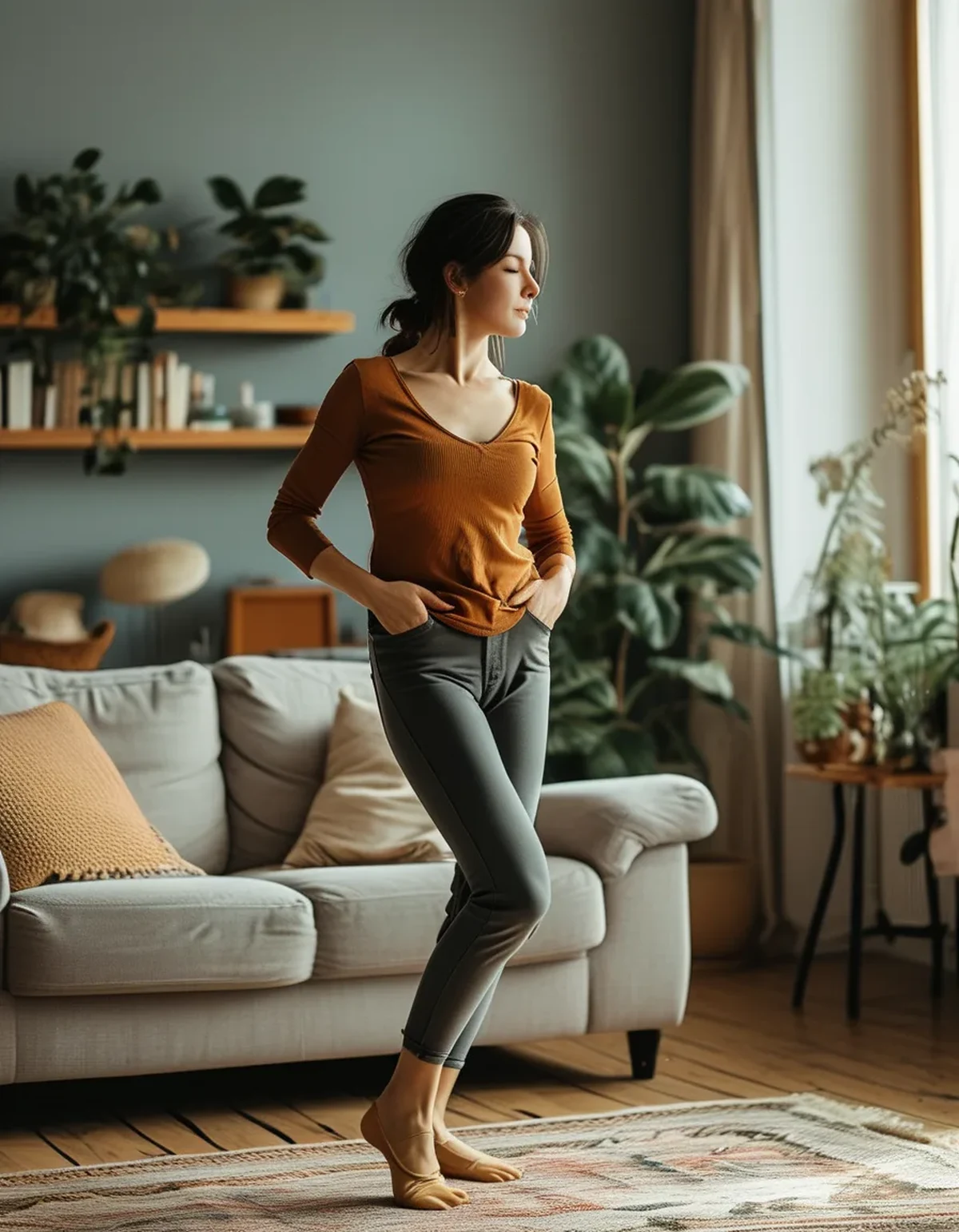
Why does saying it out loud help more than counting in your head?
Because it recruits a system that silent counting only partly engages.
Speaking creates an additional memory trace. Producing words involves motor planning, hearing yourself, and verbal encoding. Each is a separate route back to the same information, and more routes means better recall.
Movement alone is stored as one continuous blur. Following along in real time produces a hazy motor impression rather than a retrievable sequence. It feels like learning while it is happening and leaves very little behind.
Counting chunks the sequence. Motor learning works by grouping movements into units. An eight-count is a chunk, and naming it is what turns a stream of movement into an ordered list you can start from any point.
Verbal labels beat numbers for tricky sections. Step-step-turn is easier to recall than five-six-seven, because it describes what happens rather than just when. Most people naturally shift to word labels for the hard parts.
Hearing yourself provides feedback. If you cannot say the count at tempo, you do not know the sequence well enough to perform it at tempo. That is useful information you do not get from silent practice.
What else changes how fast choreography sticks?
Speed, repetition structure, and where you learn it.
Slow practice is faster than fast practice. Learning at half speed builds an accurate motor pattern. Learning at full speed builds an approximate one that has to be corrected later, which takes longer overall.
Practice in small chunks, not full run-throughs. Two eight-counts practiced ten times each beats the whole routine practiced five times. Whole-routine repetition mostly rehearses the parts you already know.
Spacing beats massing. Three ten-minute practices across a week produce better retention than one thirty-minute session, and it is one of the most robust findings in motor learning.
Sleep consolidates motor sequences. A sequence practiced in the evening is often noticeably better the next morning without any additional practice. This is real, and it is why cramming the night before class is less useless than it feels.
Watching is not learning. Observing a sequence helps somewhat, but the motor system needs to actually produce the movement. Ten minutes of clumsy attempts beats an hour of watching a video.
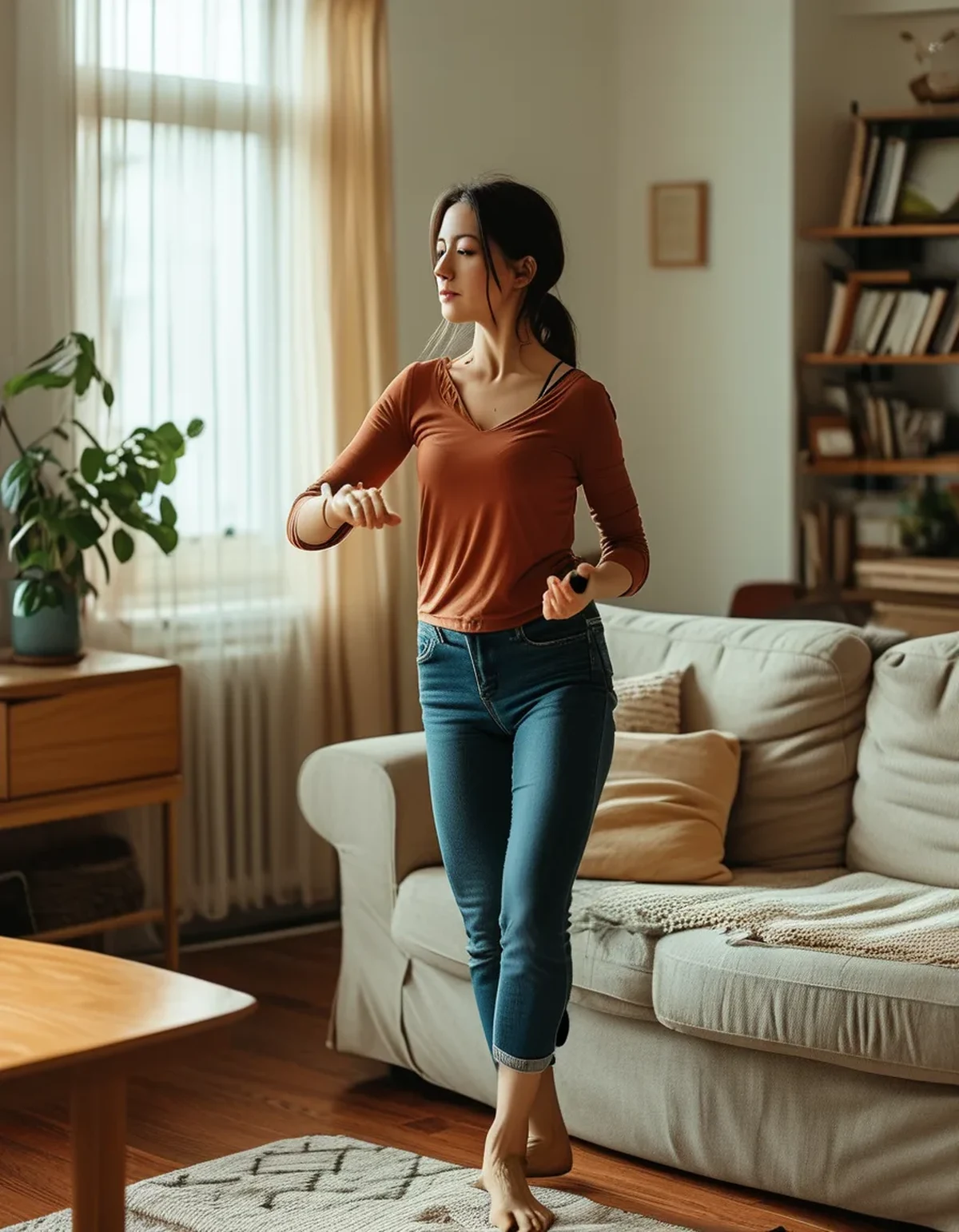
What Nobody Tells You About Learning Choreography
The back row is genuinely better for learning. You can see more people, you have space to make mistakes, and you are not managing a mirror. The front row is for people who already know the routine, and choosing the back is a learning strategy rather than a confidence issue.
Mirrors help some people and actively derail others. If you find yourself watching your own form instead of the movement, turn away. Learning by mirroring an instructor requires flipping left and right in real time, which for some people consumes exactly the attention the sequence needs.
Naming the moves yourself works better than using the instructor’s names. Your own labels connect to your own memory. Whatever the move is officially called, if it is grapevine-and-clap to you, use that.
Marking the routine — moving small and low-energy — is a real technique, not cheating. Dancers mark constantly. Full-energy practice fatigues you before the sequence is learned, and fatigue is where errors get rehearsed.
The first class back after time off feels disproportionately hard, and it does not mean you lost the routine. Motor memory is durable. What degrades quickly is the cardiovascular side and the rhythm feel, both of which return within two or three sessions.
How should you actually practice at home?
Ten minutes, done specifically, beats an hour of running the whole thing.
Pick two eight-counts, not the whole routine. Specifically the two you keep losing. Practicing what you already know is the most common way people waste practice time.
Count out loud from the first repetition. Not once you know it — from the start. The counting is how you learn it, not a check on whether you did.
Do it at half speed for the first five repetitions. Then three-quarters. Only then at tempo. If it falls apart at tempo, go back a step rather than pushing through.
Mark it rather than performing it. Small movements, low energy. You are training the sequence, not the fitness, and you can do many more repetitions this way.
Practice on two or three separate days. Spacing is the highest-value change available and it costs no additional total time. Ten minutes on three days beats thirty minutes once, reliably.
FAQ: Learning Dance Choreography, Answered
Does this work if I have no dance background?
Yes, and arguably more. Experienced dancers have a library of familiar patterns to hang new choreography on. Without that, chunking and verbal labeling do more of the work — which makes counting out loud proportionally more valuable, not less.
How long should it take to learn a routine?
Highly variable, but most people underestimate by a lot. Three to five exposures with focused practice between them is typical for a full routine. Expecting to have it after one class sets you up to feel like you are failing at something that is going normally.
Should I use a video of the class?
If one is available, yes — but practice with it rather than just watching it, and mirror-flip it in your head deliberately if it is filmed facing you. Passive rewatching is one of the least efficient uses of practice time.
TL;DR:
- Counting out loud adds verbal encoding on top of visual and motor memory
- Naming counts chunks continuous movement into a retrievable ordered sequence
- Practice slow before fast, in small chunks, and spaced across days rather than massed
- Mark the routine at low energy instead of performing it — more repetitions, fewer fatigue errors
- Back row and your own move names are learning strategies, not compromises
The reason counting feels silly is that it looks like something you would do while learning, and that is exactly what it is. Ten minutes of counting out loud at half speed will outrun an hour of following along every time.
Keep Reading
This article is for general informational and styling purposes only. Fit, sizing, and product availability may vary.
